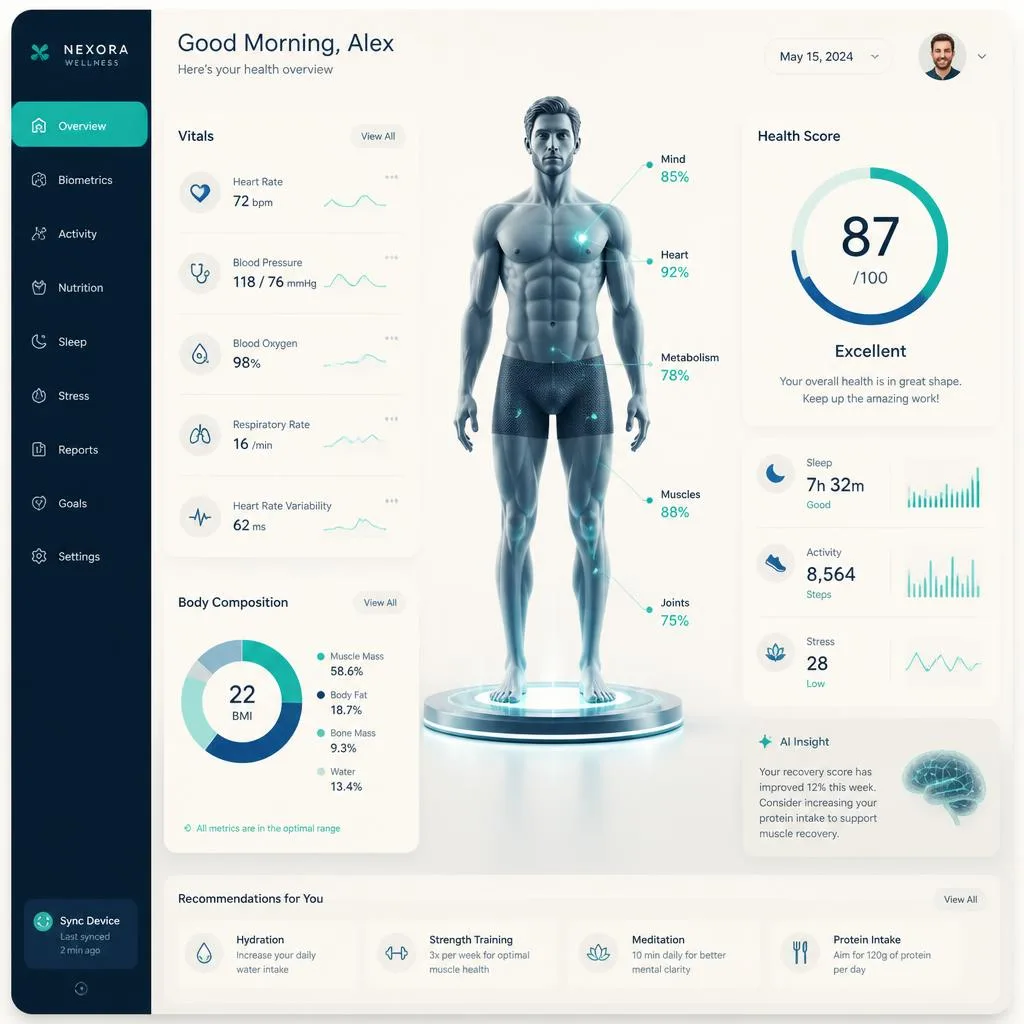
Measured field bands for citation growth, concentration and coauthor counts — the reference behind the anomaly self-check. CSV download.
Read study →
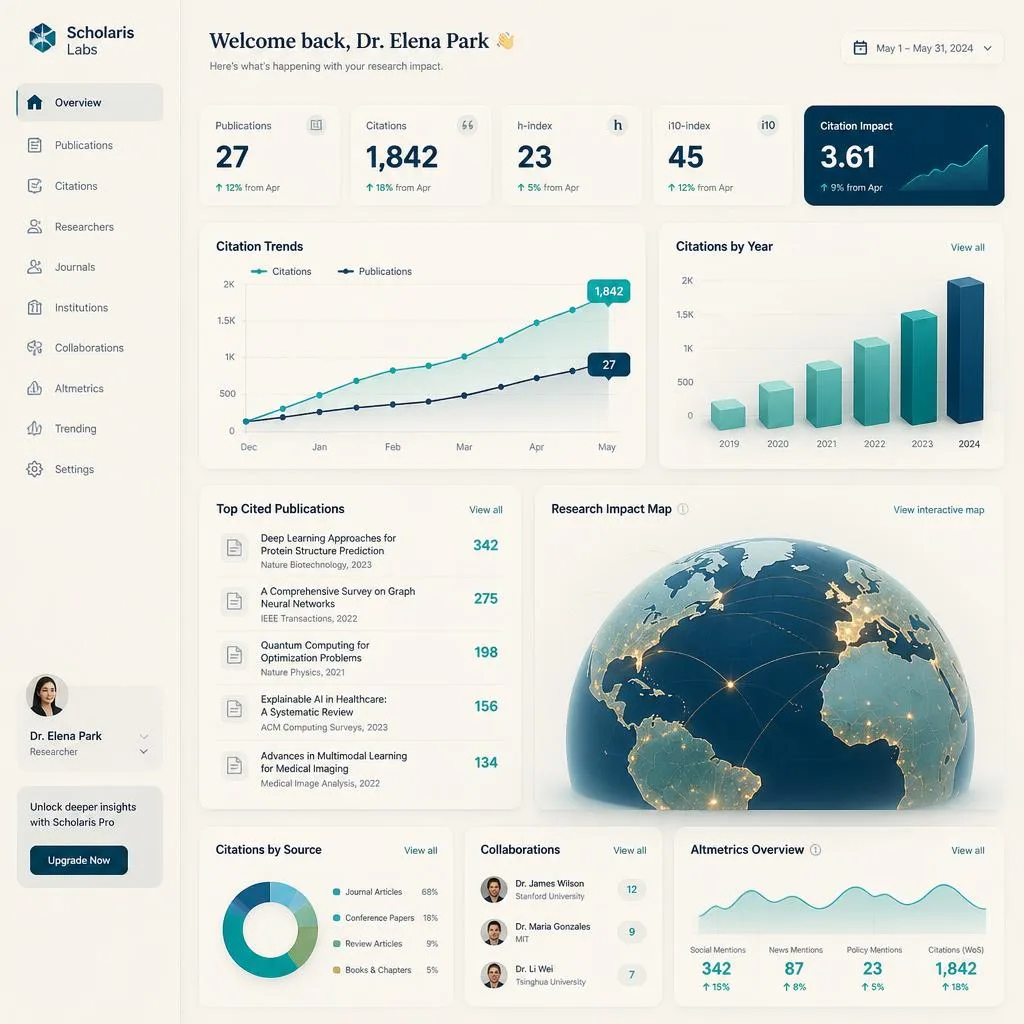
Percentiles from 63,665 sampled researchers by field and academic age — the first measured benchmark for h-index and i10. CSV download.
Read study →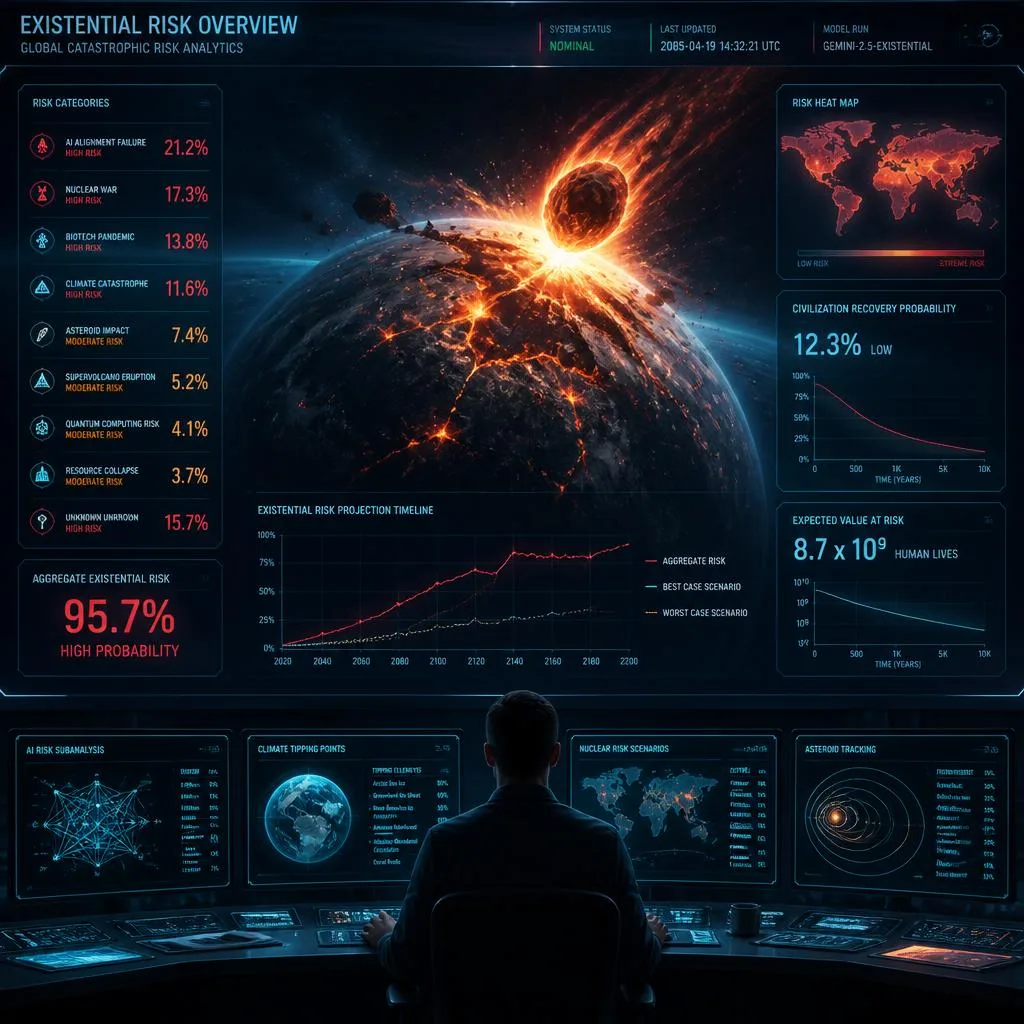
What probability do AI researchers assign to existential risk? We aggregated survey data from leading AI safety researchers.
Read study →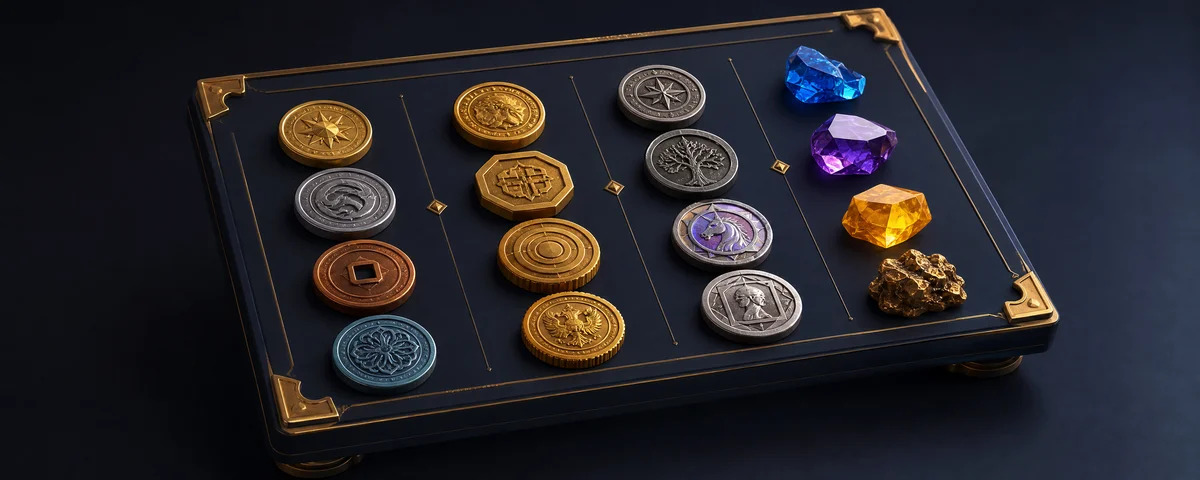
How much is 1 Gold worth in Skyrim, WoW, D&D, The Witcher and Elden Ring? Converted to USD using in-game pricing data.
Read study →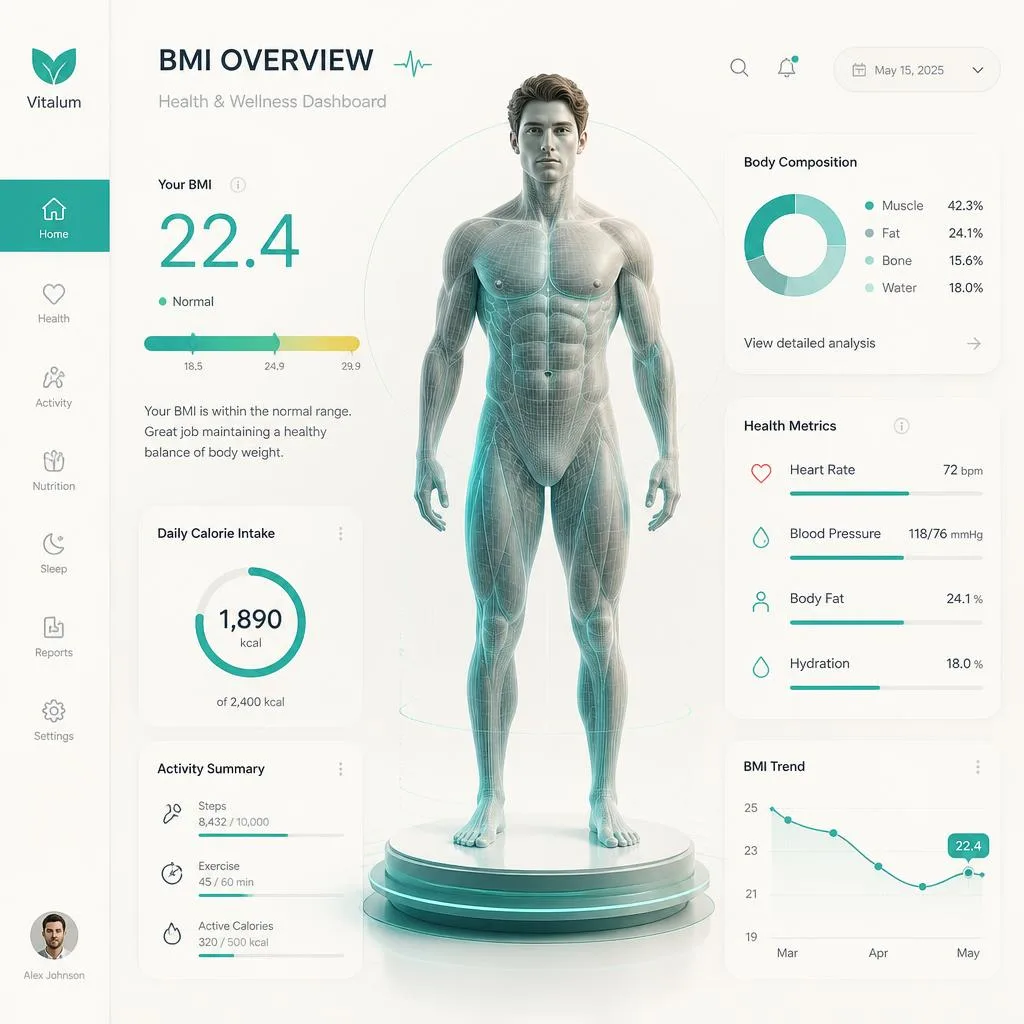
Standard BMI misclassifies many people. We analysed how often metabolic BMI reclassifies individuals into different risk categories.
Read study →
What counts as a strong H-Index varies by discipline and career stage. Here are the benchmarks that actually matter.
Read more →
Both measure research impact — but they reward different types of output. Here’s how to choose.
Read more →
P(doom) is the probability of catastrophic AI outcomes. Here’s what it means and why researchers disagree so sharply.
Read more →
From Simon (1958) to Yudkowsky (2021): every major AI timeline prediction was wrong. What this means for P(doom) estimates today.
Read more →
How Yudkowsky, Hinton, LeCun, and other leading AI researchers assess existential risk — side by side.
Read more →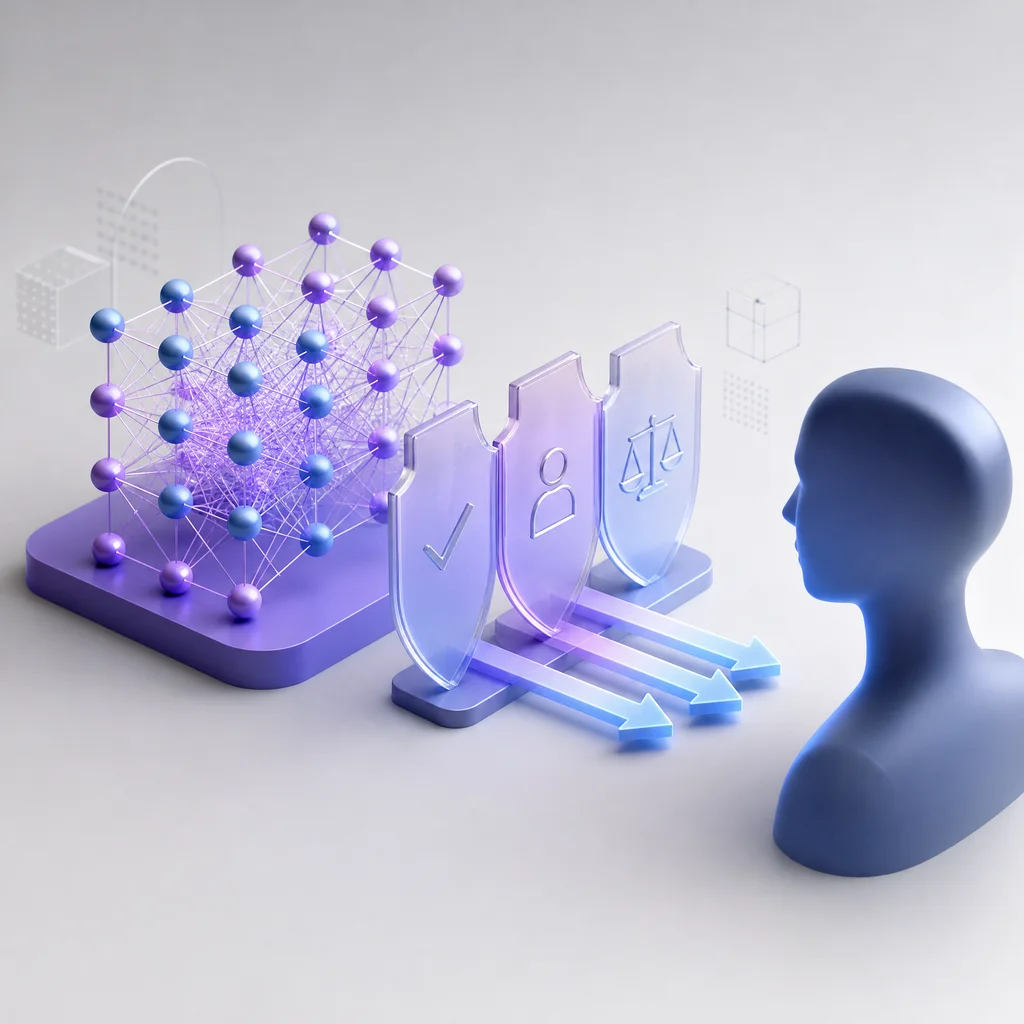
A clear guide to AI alignment methods: RLHF, Constitutional AI, debate, interpretability, and how they make AI safe.
Read more →
Einstein’s H-Index ranges from 4 to over 100 depending on the database. We analysed his citation impact across major databases.
Read more →
What H-Index do you need for Assistant, Associate, or Full Professor? 2026 benchmarks by field and career stage.
Read more →
H-Index benchmarks for medical researchers: what is competitive for clinical, surgical, and research-focused careers.
Read more →